Travel Journal
Planning a trip to Santiago? Learn the best months to visit, essential packing tips, and how to dress for luxury cigar tours and mountain adventures.
Published on
Plan your cigar trip to Santiago de los Caballeros with factory tours, cigar lounges, events, restaurants, hotels, and local experiences curated by Boca2Boca.
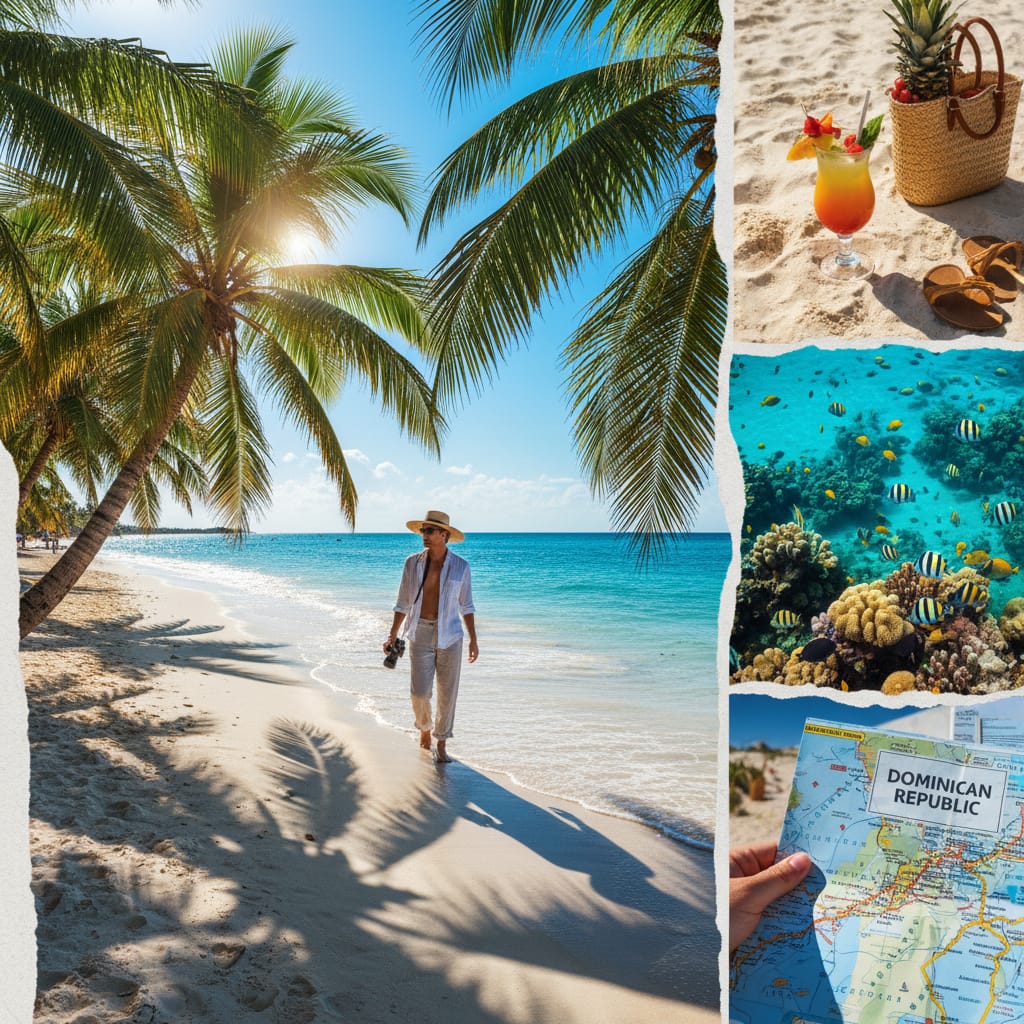
Most travelers imagine the Dominican Republic as constant beach weather, flip-flops, and ocean breeze. Santiago is different.
For most travelers, the best time to visit Santiago is between January and March. During these months, temperatures are warm but comfortable, humidity is lower, and evenings can be pleasantly cool. It is the ideal season for walking around the city, visiting cigar factories, exploring cultural attractions, and enjoying outdoor dining.
That said, Santiago is a year-round destination. Unlike many countries with distinct cold seasons, temperatures remain warm throughout the year. Even during the summer and tropical months, rain showers are often brief and rarely disrupt travel plans for an entire day.
If your priority is the most comfortable weather, plan your visit between January and March. If you prefer fewer visitors and don't mind occasional tropical rain, the rest of the year can still be an excellent time to experience Santiago and the Cibao Valley.
Located inland in the Cibao Valley between mountain ranges, Santiago has a warmer, more metropolitan atmosphere than coastal resort destinations like Punta Cana or Puerto Plata. The city is known for cigar culture, business, nightlife, restaurants, and local Dominican life rather than beach tourism.
The good news: it is almost always reasonably warm.
The important part is understanding:
Humidity
Sudden tropical rain
Inland heat
Elevation changes nearby
Local dress culture
This is the most comfortable period to visit Santiago.
Warm sunny days
Lower humidity
Cooler evenings
Comfortable walking weather
Average daytime temperatures stay around:
82–86°F (28–30°C)
Evenings can feel surprisingly fresh, especially after rain.
Perfect clothing includes:
Linen shirts
Polo shirts
Cotton dresses
Lightweight pants
Clean sneakers or loafers
This is the easiest season for:
Walking tours
Cigar factory visits
Rooftop dining
Outdoor events
Spring in Santiago becomes greener, more tropical, and more humid.
Rain showers become more common, but they are usually short rather than all-day storms.
In reality, rain in Santiago can happen almost any time of day during the entire year.
The good news:
Most rain lasts only 1–2 hours
After rain, the city usually becomes cooler and fresher
Entire days ruined by rain are uncommon
During these months:
Breathable fabrics become essential
Lightweight clothing is best
Avoid heavy jeans or thick materials
Recommended:
Linen
Cotton
Lightweight sneakers
Casual elegant clothing
This is Santiago’s hottest period.
Unlike coastal cities, Santiago has:
Less ocean breeze
More trapped heat
Strong humidity
Temperatures regularly reach:
90–92°F (32–33°C)
but often feel hotter.
Locals usually avoid heavy outdoor activity during midday hours and move between:
Restaurants
Cafés
Cigar lounges
Air-conditioned spaces
Keep clothing:
Light
Breathable
Casual
Comfortable
Best options:
Linen shirts
Polo shirts
Cotton shorts
Summer dresses
Sneakers or loafers
Avoid:
Heavy black clothing
Thick fabrics
Beach flip-flops in the city center
This period brings:
Higher humidity
More frequent rain
Warm temperatures
Tropical conditions
Rain showers are still usually temporary and followed by clear skies.
Travelers are often surprised how quickly:
Heavy rain starts
Then disappears completely
This season is all about flexibility.
Recommended:
Breathable clothing
Light layers
Comfortable shoes
Clothing that dries quickly
An umbrella is useful, but many locals simply wait out the rain at a café or lounge.
Santiago is more polished than many visitors expect.
While tourists are rarely judged harshly, the city generally follows a:
Smart-casual
Business-casual
Elegant relaxed style
Some:
Upscale restaurants
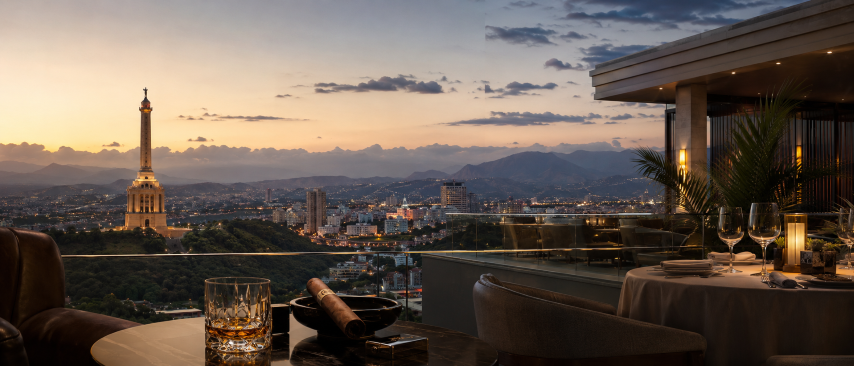
Rooftop venues
Premium cigar lounges
Private clubs
have informal dress expectations.
As a tourist, exceptions are often made, but many visitors feel out of place wearing:
Beach flip-flops
Tank tops
Swimwear
Resort clothing
while locals around them wear:
Dresses
Button-up shirts
Polos
Loafers
Stylish sneakers
The safest approach is:
Light and casual, but avoid full beach style.
One of Santiago’s biggest advantages is quick access to mountain destinations like:
Jarabacoa
Constanza
What surprises many travelers is how quickly temperatures change with elevation.
Even locations:
15–30 minutes outside Santiago
At higher altitude
can already feel noticeably cooler — even during daytime.
Rain, clouds, and mountain wind can make elevated areas feel cold compared to Santiago city center.
If you plan mountain activities, bringing:
A light layer
Long sleeves
Or a thin jacket
is always a smart idea.
Premium cigar factories in Santiago de los Caballeros are active production environments but also part of the city’s refined cigar culture.
The best approach is:
Comfortable
Breathable
Casual polished
Recommended:
Linen shirts
Polo shirts
Lightweight pants or clean shorts
Sneakers
Loafers
Closed-toe shoes
Avoid:
Beachwear
Flip-flops
Swimwear
Oversized resort clothing
You do not need formal clothing. The atmosphere is relaxed — simply clean, light, and respectful of the environment.
Discover curated products to complement this post.
Explore curated Viator experiences to complement this post.